

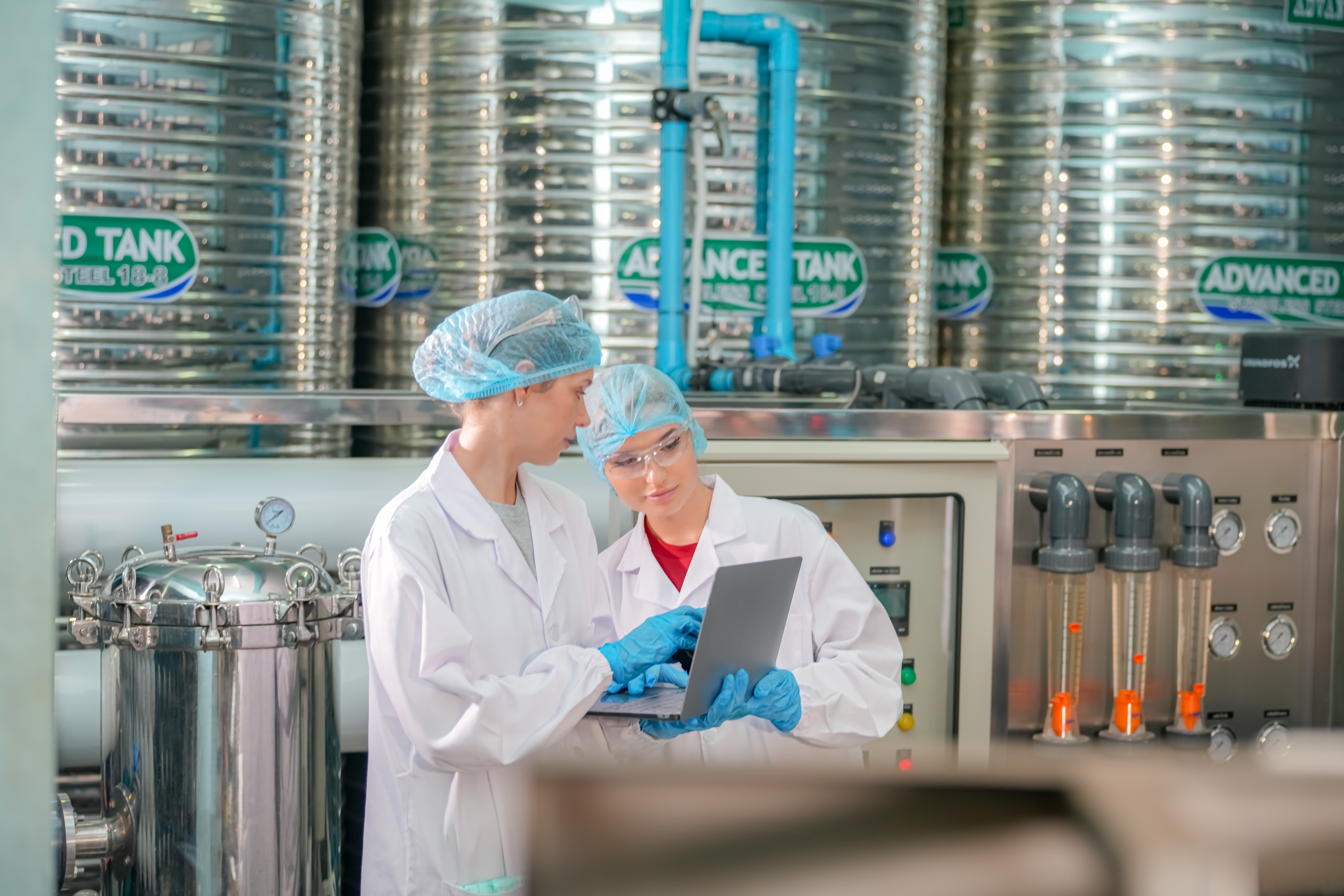
I think Real Time Tank Monitoring helps the labs become safer and smarter. Real Time Tank Monitoring gives the labs real time data, on tank status.
In a lab keeping the amount of gases, reagents and solvents is not just another task. Keeping the amount of gases, reagents and solvents is a part of the work. Gases, reagents and solvents keep experiments moving. A small leak or an empty tank can throw off a project. For years labs used checks. Lab staff walked around checked levels wrote things down. Manual checks worked,. Manual checks did not always work well. I have watched labs rely on checks and see that sometimes by the time lab staff notice a problem the damage is already done. I watched the materials get wasted. I saw the research stop and safety take a hit.
I worked with a client. The client ran a lab with several research teams. The client wanted a way. The client needed a system that would spot problems early and get the right people involved fast. The client’s goal was simple. The client wanted to keep everyone cut down on waste and give the teams a real time view of what is happening.
We built a solution, for them: a monitoring system that watches tank levels all day every day. The monitoring system has sensors that measure tank levels. The monitoring system sends alerts when tank levels go out of range. The monitoring system shows a dashboard that the lab can read. The lab can see the alerts and the dashboard and catch problems early. The lab can keep tank levels. Keep things running smoothly.
The Challenge: Slow Checks, No Big Picture
I saw the lab deal, with a few problems, before this system. The lab worked hard to fix those problems.
I have seen manual inspections take a lot of time. I have seen manual inspections leave gaps. When a tank starts leaking or when a tank runs out faster than expected the tank can stay unnoticed for hours or even days.
I noticed that, by the time someone found the issue the issue was usually too late. I saw the experiments stall the supplies get. The staff scramble to fix the things.
The communication was a mess. No one had a place to see the tank levels or spot patterns. The teams worked in the dark.
I noticed that the blind spots did not just slow things down. The blind spots drove up the costs. Made the lab life stressful, for everyone, in the lab.
Our Solution: Always-On Monitoring and Fast Alerts
To fix the issue we built a system. The system watches the tank levels in time. The system sends an alert the moment a tank level’s off.
Smart sensors track each tank. Measure gas and liquid levels all the time. I see the data go to a platform and the data gives a view at any moment.
It is not, about tracking numbers. I notice that the system learns what normal looks like for each tank. When something weird happens—a drop, a leak or a spike, in usage—the system flags the problem right away.
I have seen that when the system spots a problem the system sends the alerts instantly. The email, the text, the app notification—any works. I have seen that the staff get the info so the staff can fix the issues fast.
The dashboard puts everything together. One screen shows the tank levels, the trends and the recent alerts. The teams can plan the inventory. The teams can spot the patterns. The teams can catch the issues before the issues become problems.
I see the platform connects to the lab’s existing systems. I see the platform uses role-based access to keep data safe and limit who can view the data. I see the platform shows info, to the people.
Results: Instant Impact
I saw the difference away. The difference was clear, from the start.
I used to rely on checks. Manual checks are now a thing of the past. Now the teams can see the tank levels and the usage patterns, at any time.
I saw the leaks and shortages caught in minutes not in days. The staff acted before the leaks and shortages grew into headaches.
I saw that automated alerts kept everything from slipping through the cracks. The automated alerts caught problems early. I saw that experiments ran without any interruptions. The experiments continued smoothly. I saw that teams spent time scrambling and time focusing on their real work. The teams used time for the work that mattered.
I saw that catching problems early meant waste. Catching problems early helped the lab manage inventory better and catching problems early stopped the lab from making minute orders. Catching problems early cut costs.
I saw people feel more confident. The confidence of people mattered most. I saw the system watch over resources. The teams could put their energy into science, not tank monitoring.
Business Impact
The system changed things across the board:
– Lab safety improved because the faster detection and the faster response helped Lab safety.
– The lab wasted less of the materials.
– I saw the research and experiments run with hiccups. I saw the research and experiments move smoothly and finish tasks faster.
– The inventory planning got easier. The inventory planning cut costs.
– I see the better data and the better visibility gave reporting and compliance a boost.
Key Takeaways
Real-time monitoring pays off. I saw that teams get the information teams need to stop problems. Automated alerts help staff move faster and keep work on track. A simple dashboard makes managing resources and planning ahead much easier. With the tools labs can grow without making processes more complicated.
By bringing in real-time tank monitoring, we helped this lab overhaul how it manages critical supplies. What used to be a slow, manual, and stressful process became something smarter, safer, and far more reliable.